


The short answer
Decide before the shoot what marketing will need over the next 12 months. Then build the schedule so the crew captures it while the sets, talent and lights are already in place.
The expensive part of a shoot is getting everyone and everything into one place. Once they're there, an extra hour of capture costs far less than a second shoot day later.
What we plan for on every shoot
- The hero film. The shots the story needs.
- Cutdowns. Moments that work on their own at 15, 10 and 6 seconds.
- Vertical framing. Shots composed with a 9:16 safe area, so social versions don't need awkward crops.
- Stills. A photographer on set, shooting the same scenes.
- A b-roll list. Details, hands, product, wide establishing shots: the footage sales and web teams ask for later.
- Usage. Talent agreements that cover the library, as well as the hero film.
Scott: 3 films, 100+ stills and a library
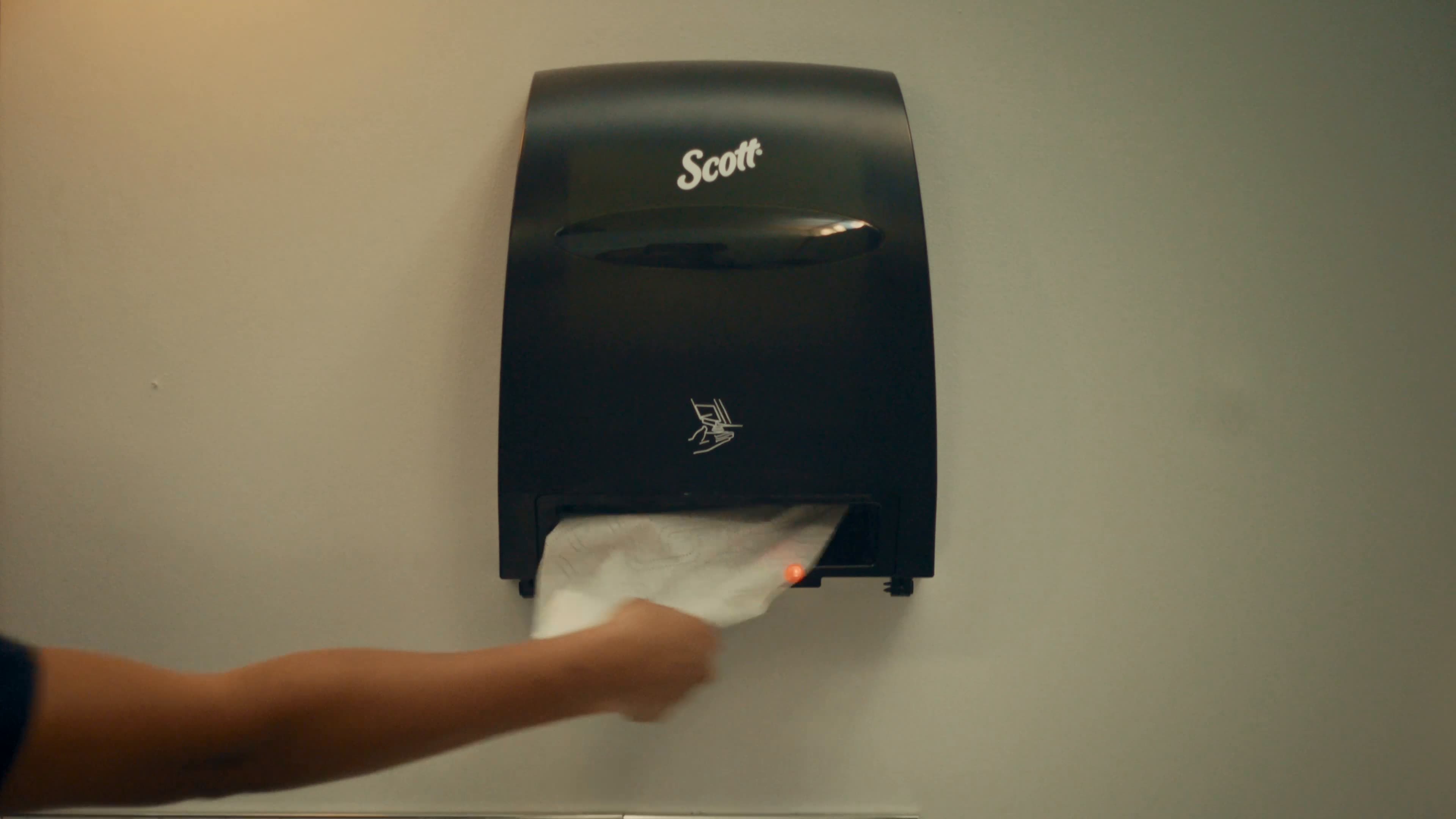
For Kimberly-Clark Professional's Scott Proven In Use campaign, we planned every shoot day with the library in mind.
The 4-day shoot at Heritage Stage 4 in Mississauga delivered 3 hero films cut to 30, 20, 10 and 6 seconds, more than 100 stills and a footage library for ongoing use. Photographer Carlyle Routh shot on the same 3 studio-built sets as the film crew, so the stills match the films.
See the Scott Proven In Use campaign
Oxford: a 21-minute media library and a second film
The Oxford Properties Impact Campaign produced 3 films. The same shoots also gave Oxford a photography package and a 21-minute media library.
One of the 3 films, Local Impact, draws on footage from Das Center, our earlier Oxford documentary on Berlin's Potsdamer Platz. One body of footage became 2 finished pieces of work.
See the Oxford Impact Campaign
A checklist to bring to your next kickoff
- Which channels will use this footage in the next 12 months?
- Which product, people or places will marketing need again?
- Do you need stills? From which scenes?
- Which ratios: 16:9, 9:16, 4:5, 1:1?
- Will anything run in another market or language?
- How long do you need to use talent for, and where?
3 things to watch
Time on the day. Library capture needs its own slots in the schedule. If it only gets leftover minutes, it gets skipped.
Talent usage. Footage you can't legally use isn't a library. Agree usage before casting.
Organization. Deliver the library with clear names and folders, so your team can find a shot in 30 seconds.
Frequently Asked Questions
Can one video shoot produce a year of content?

Yes, if it's planned that way. Decide before the shoot what marketing will need over the next 12 months, then schedule time on the day to capture it while the sets, talent and lights are in place.
What should we capture on a shoot besides the main film?
Moments that work as 15, 10 and 6-second cutdowns, shots framed for 9:16, stills from a photographer on set, and a b-roll list of details, product and establishing shots that sales and web teams will ask for later.
Why do talent agreements matter for a content library?
Footage you can't legally use isn't a library. Agree usage terms that cover the library as well as the hero film before casting, including how long and where you'll use it.

About the Author
Will Murphy
Will Murphy is a Creative Director and commercial director based in Toronto, and the founder of WM Creative Studio. He has spent more than 15 years making brand films, campaigns and documentaries for clients including Oxford Properties, Kimberly-Clark Professional, Indspire, Svante, Kids Help Phone and LEGO. Here he writes about how video projects get made: briefs, budgets, shoot days and the decisions in between.